
International Cuisine

  • Home
  • About Me
    • Privacy Policy
  • Journey by Country
  • Recipes
  • Travel
  • My Cookbook
  • Exploring the World Through Food
menu icon
go to homepage
  • Home
  • About Me
    • Privacy Policy
  • Journey by Country
  • Recipes
  • Travel
  • My Cookbook
  • Exploring the World Through Food
  • Connect with us

    • Instagram
    • Pinterest
  • search icon
    Homepage link
    • Home
    • About Me
      • Privacy Policy
    • Journey by Country
    • Recipes
    • Travel
    • My Cookbook
    • Exploring the World Through Food
  • Connect with us

    • Instagram
    • Pinterest
  • ×
    Home » Gathered

    A thread through time

    • Facebook
    • Twitter
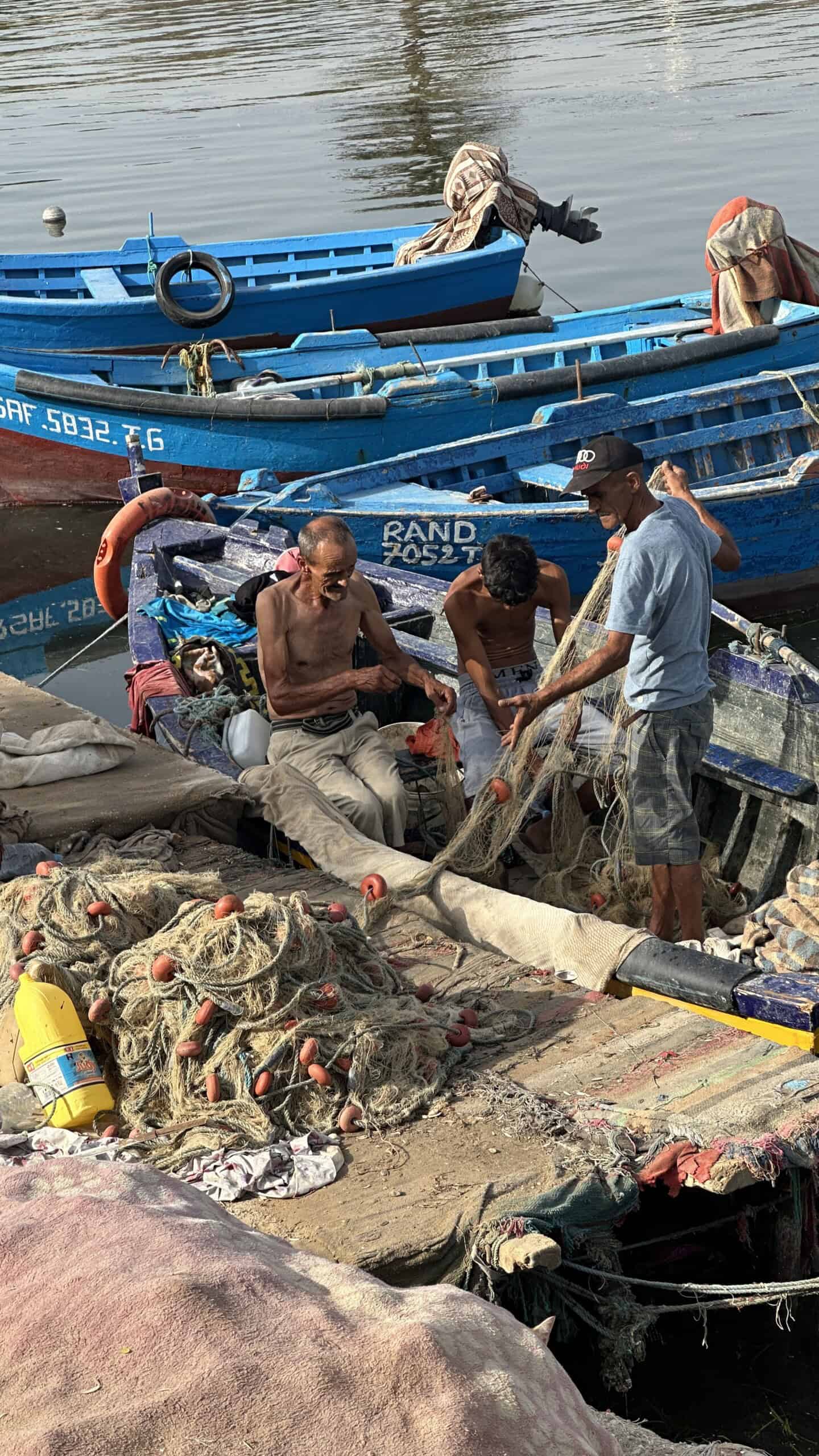
    Fisherman in a wooden boat at the Punic Port in Carthage, Tunisia

    Along the shores of Carthage, the sea still tells the same story.

    The first thing I noticed was not the fish.

    It was the hands.

    Three generations sat together in a small blue boat along the edge of the ancient Punic Port in Carthage. The grandfather patiently mended a fishing net while his son worked beside him. His grandson watched every movement, occasionally reaching out to help, learning a craft that had been passed from father to son for countless generations.

    Dan quietly lifted his camera.

    Neither of us spoke.

    Some moments deserve silence.

    Only a few yards away lay one of history’s greatest harbors. More than two thousand years ago this circular military port buzzed with Phoenician sailors preparing ships that would sail throughout the Mediterranean. Today the warships are gone. The empire has vanished. Yet fishermen still gather here before dawn, just as they always have.

    The tools may be different.

    The purpose has not changed.

    The sea still provides.
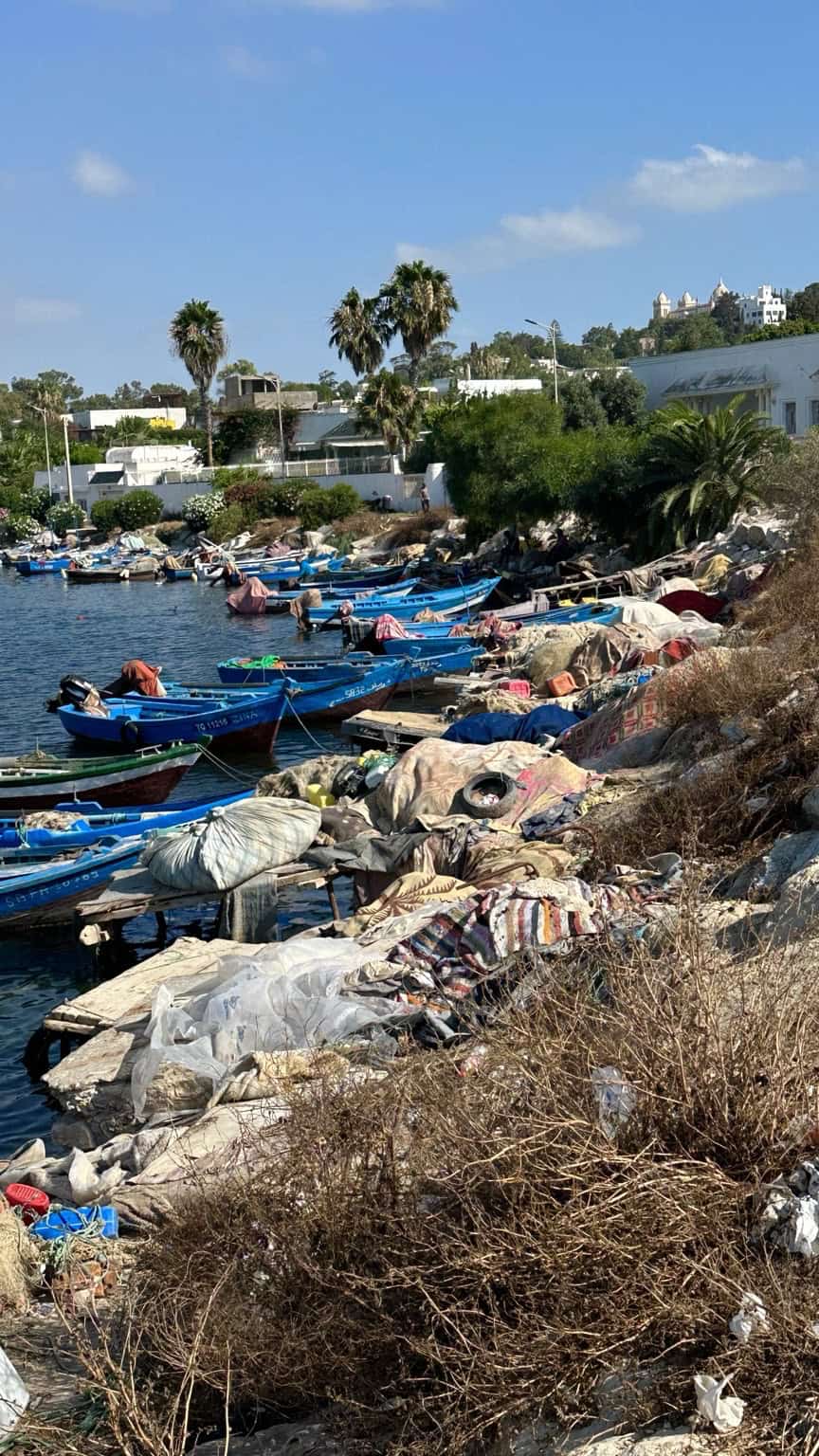
    Blue fishing boats along the ancient Punic Port in Carthage, Tunisia

    The following day we visited the Bardo Museum, home to one of the world’s finest collections of Roman mosaics. I wandered slowly through the galleries, captivated by the incredible artistry. One mosaic in particular stopped me in my tracks. It was filled with marine life rendered in astonishing detail. Sea bream, sea bass, octopus, squid, and other creatures of the Mediterranean seemed almost to swim across the wall, as if I was looking into the sea. Every scale, every fin, every curling tentacle had been carefully observed by an artist nearly two thousand years ago. Not only the fish but the net that was depicted as the means of catching the fish. 
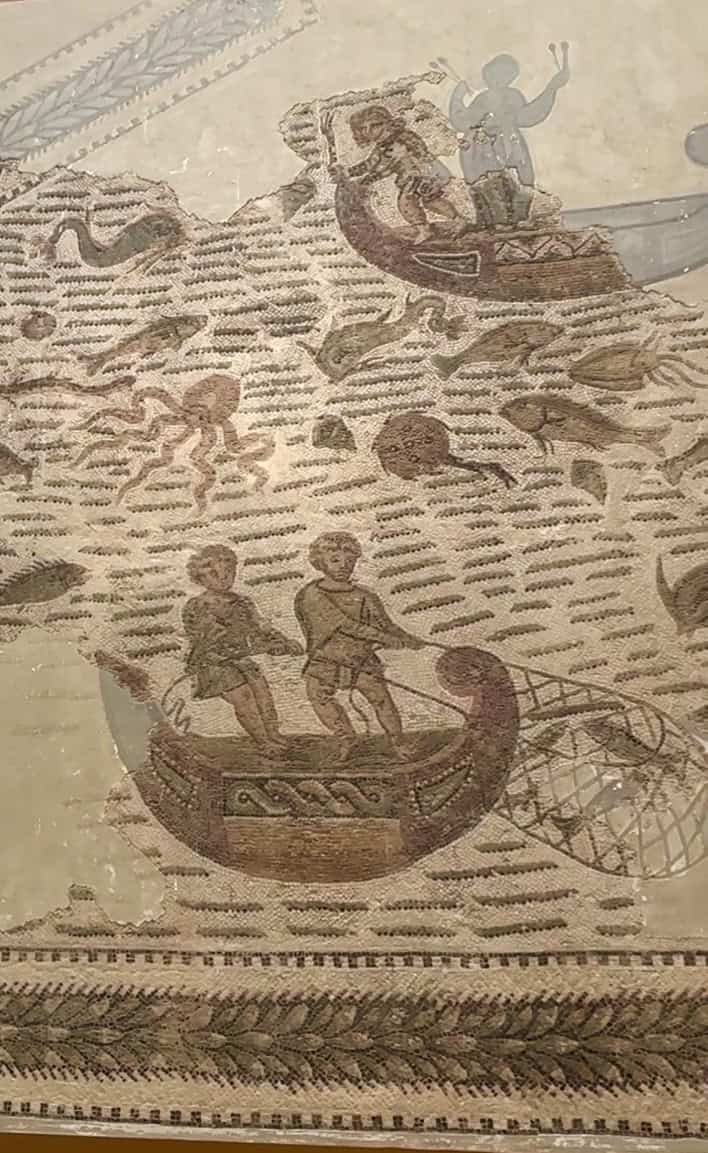
    Roman mosaics depicting fisherman casting a net from a boat at the Bardo Museum in Tunis.

    At the time, I simply admired the beauty of the mosaic. 

    The next morning, I wandered through one of Tunis’s bustling fish markets.

    Beds of crushed ice sparkled beneath European sea bass, wild gilthead sea bream, red porgy, little tunny, octopus, squid, cuttlefish, and triggerfish. Vendors called out to customers while carefully arranging the morning’s catch. Some fish remained whole. Others had already been sliced into thick steaks, ready for a family meal.
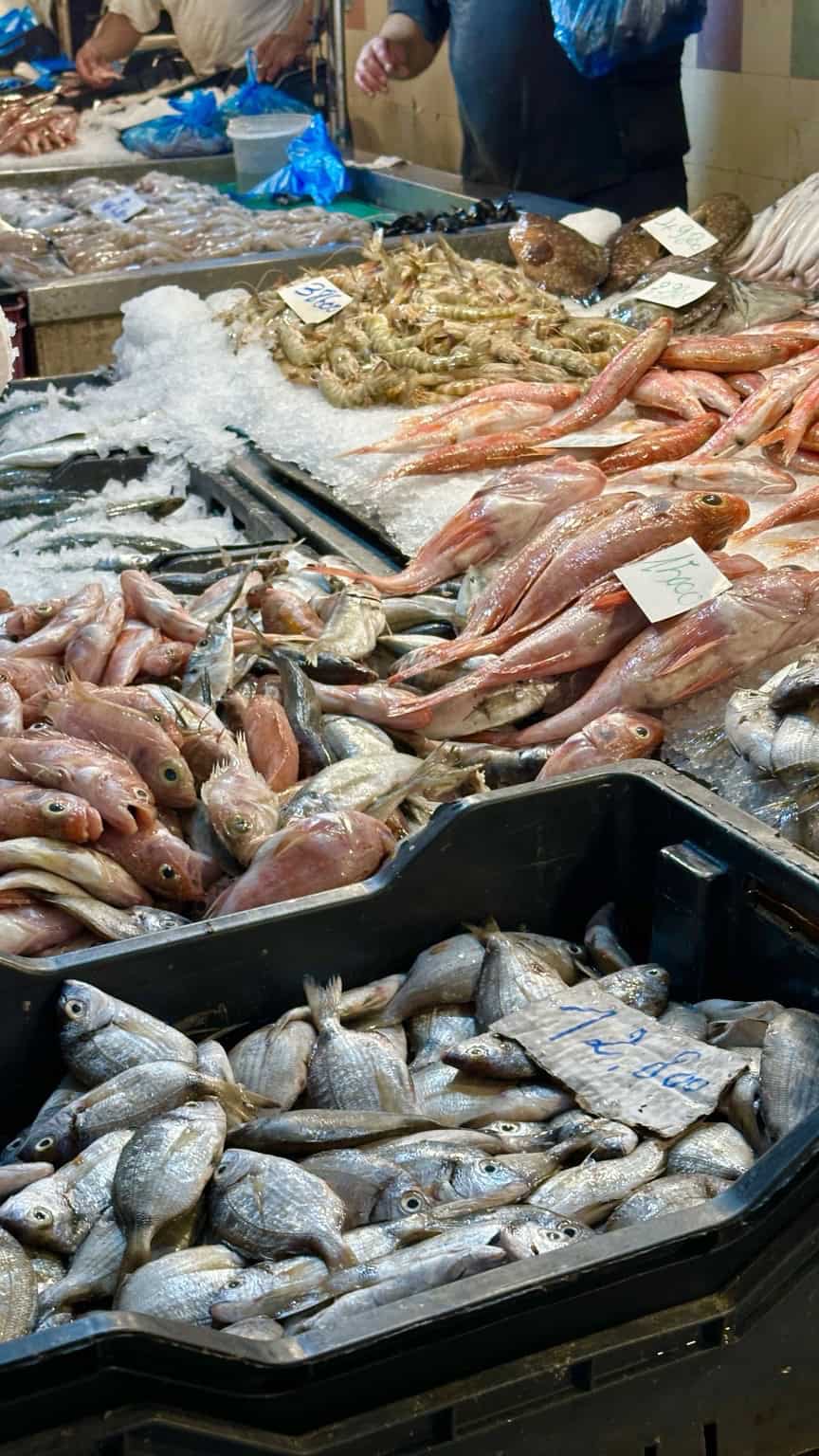
    fresh Mediterranean fish and shrimp displayed on ice at a fish market in Tunis, Tunisia.

    Then it happened.

    The mosaic came rushing back.

    There they were.

    The same sea bass.

    The same sea bream.

    The same red porgy.

    The same octopus, squid, and cuttlefish.

    Not similar fish.

    The very same species.

    For a moment it felt as though the museum had spilled into the marketplace. Nearly two thousand years disappeared between the tiny mosaic stones that hung on the wall and the beds of crushed ice before me.

    The Romans had not filled their mosaics with imaginary creatures. They had celebrated the fish that fed their families, many of the very same fish that continue to nourish Tunisia today.

    Perhaps a Roman cook rubbed a freshly caught sea bream with herbs and olive oil before roasting it over an open fire. Today, a Tunisian family might prepare that same fish with homemade harissa, garlic, parsley, preserved lemon, and the rich local olive oil that is among the country’s greatest treasures.

    A beautiful red porgy may be baked with potatoes, tomatoes, onions, and cumin before gathering everyone around the table. Little tunny might be gently simmered with tomatoes, olives, and capers. Octopus often finds its way into seafood couscous along the coast or is slowly cooked before being kissed by the flames of a charcoal grill. Squid is stuffed or quickly grilled, while cuttlefish lends both its tender flesh and dark ink to deeply flavorful stews.

    The recipes have evolved.

    The spices have changed.

    The languages spoken around the table are different.

    But the sea remains remarkably faithful.

    Later that afternoon we returned to the Punic Port.

    The same grandfather was still there, patiently repairing his fishing net while his son and grandson worked beside him.

    Watching them, I realized the fish were only part of the story.

    The mosaics preserved what people caught.

    The market revealed what people still eat.

    But the fishermen showed me how traditions survive.

    A grandfather guiding his grandson’s hands across a weathered net.

    Knowledge passed without words.

    A skill learned through watching.

    A way of life preserved one generation at a time.

    I came to Tunisia hoping to gather recipes.

    Instead, I found something far more meaningful.

    Recipes change. Every family has its own way of seasoning a fish or stirring a pot of couscous. A grandmother adds a pinch of caraway where her neighbor reaches for coriander. One cook grills a whole sea bream over charcoal while another gently bakes it with potatoes and tomatoes. Every generation leaves its own mark on the table.

    But traditions live in the people who continue them.

    The same Mediterranean still provides the fish that nourished ancient Carthage.

    Families still gather around their tables.

    Grandparents still teach grandchildren.

    And fishermen still mend their nets along the edge of a harbor that has watched over them for more than two thousand years.

    Perhaps that is what the sea remembers.

    Not the rise and fall of civilizations.

    But the ordinary people who quietly carry their traditions from one generation to the next.

    As I watched those weathered hands patiently repairing a net while another pair of hands learned beside them, I realized the greatest treasures we gather are rarely found in museums or markets.

    They are found in the people willing to pass something on.

    And perhaps that is what I had really come to gather. Not recipes alone, but the threads that connect us across time, quietly woven into the hands, hearts, and tables of those willing to pass them on. 
    More Gathered

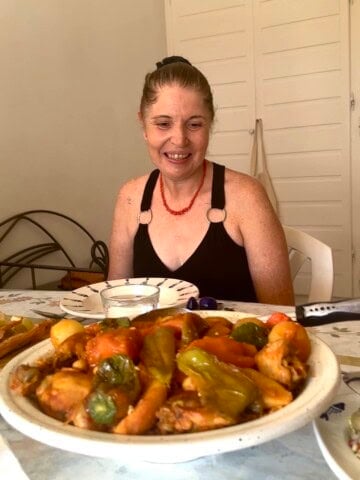
    • Jiji seated behind a traditional meal during a home cooking experience in Tunis.
      At Jiji's Table
    • Facebook
    • Twitter

    Filed Under: Gathered, Tunisia

    Leave a Reply Cancel reply

    Your email address will not be published. Required fields are marked *

    Recipe Rating


    Welcome to Internationalcuisine.com! thank you for stopping by!

    I'm thrilled to share my passion for food, travel, and cultural exploration with you. My name is Darlene Longacre and I am a culinary enthusiast turned global nomad.

    Imagine a journey where your taste buds can travel the world, experiencing new flavors and aromas of every country on earth.

    More about me →


    My Mission

    At Internationalcuisine.com, my mission is to bring the world to your kitchen and inspire a global culinary adventure. I believe that food is a powerful bridge that connects people, cultures, and traditions. My mission is to celebrate this unity and diversity by sharing authentic recipes, engaging stories, and immersive travel experiences.

    Come join the journey, explore new countries and embark on a fantastic culinary adventure.

    Join the Journey It's Free!

    Sign up for my culinary, travel and cultural adventure delivered right to your inbox so you won't miss a thing.

    Categories

    Genesis Theme Framework for WordPress

    Archives

    • September 2026
    • November 2024
    • April 2024
    • August 2023
    • June 2023
    • May 2023
    • October 2022
    • May 2022
    • February 2022
    • January 2022
    • December 2021
    • September 2021
    • May 2021
    • March 2021
    • February 2021
    • January 2021
    • October 2020
    • September 2020
    • July 2020
    • June 2020
    • May 2020
    • April 2020
    • March 2020
    • February 2020
    • January 2020
    • December 2019
    • November 2019
    • October 2019
    • September 2019
    • August 2019
    • July 2019
    • June 2019
    • May 2019
    • March 2019
    • January 2019
    • December 2018
    • November 2018
    • October 2018
    • September 2018
    • August 2018
    • July 2018
    • June 2018
    • May 2018
    • April 2018
    • March 2018
    • January 2018
    • December 2017
    • November 2017
    • October 2017
    • September 2017
    • August 2017
    • July 2017
    • June 2017
    • May 2017
    • April 2017
    • March 2017
    • January 2017
    • December 2016
    • November 2016
    • October 2016
    • September 2016
    • August 2016
    • July 2016
    • June 2016
    • May 2016
    • April 2016
    • March 2016
    • February 2016
    • January 2016
    • December 2015
    • November 2015
    • October 2015
    • September 2015
    • August 2015
    • July 2015
    • June 2015
    • May 2015
    • April 2015
    • March 2015
    • February 2015
    • January 2015
    • December 2014
    • November 2014
    • October 2014
    • September 2014
    • August 2014
    • July 2014
    • June 2014
    • May 2014
    • April 2014
    • March 2014
    Genesis Theme Framework for WordPress

    Meta

    • Log in
    • Entries feed
    • Comments feed
    • WordPress.org

    Featured Posts

    New Year's Eve Traditions

    New Year's Eve Traditions Around The World

    Fisherman in a wooden boat at the Punic Port in Carthage, Tunisia

    A thread through time

    Jiji seated behind a traditional meal during a home cooking experience in Tunis.

    At Jiji's Table

    A colorful bowl of Turkmenistan Fried Eggplant Salad

    Turkmenistan Fried Eggplant Salad Recipe

    Get to know Darlene at International Cuisine

    Darlene holding a dish made with Mama Naz and her daughter in law, in Arusha, Tanzania

    Welcome to International Cuisine

    Hello my name is Darlene and thank you for stopping by!

    I am cooking a meal from every country in the world. I do extensive research and choose a menu that I feel best represents the country and their cuisine. Of course that also includes the authentic, delicious recipes. Simply click on the link or the photo in the journey by country posts to get them. I also share important information about the country as well.

    I love to cook, photograph, and especially travel. I hope you enjoy this culinary and cultural adventure around the world. Be sure to join the journey so you don't miss a thing. It's free!

    Footer

    ↑ back to top

    Privacy Policy

    International Cuisine is a long running culinary project documenting authentic recipes and food traditions from every country in the world; researched, tested and paired with cultural context. Get authentic and ancestral recipes from every country in the world, join the culinary and global travel adventure today!

    Copyright © 2026 InternationalCuisine.com All rights Reserved